Smiles Orthodontics Patient Scholarship
Apply Today for a $750 Scholarship Opportunity
Smiles Orthodontics is proud to support students in our community with our Patient Scholarship program. One $750 scholarship will be awarded to a selected applicant who is either a high school senior or current college student and a current or former Smiles Orthodontics patient. To be considered, applicants must complete and submit an application through our website by July 1, 2026. This is our way of giving back and helping you take the next step toward your future. Apply today!
We’re Here To Serve You
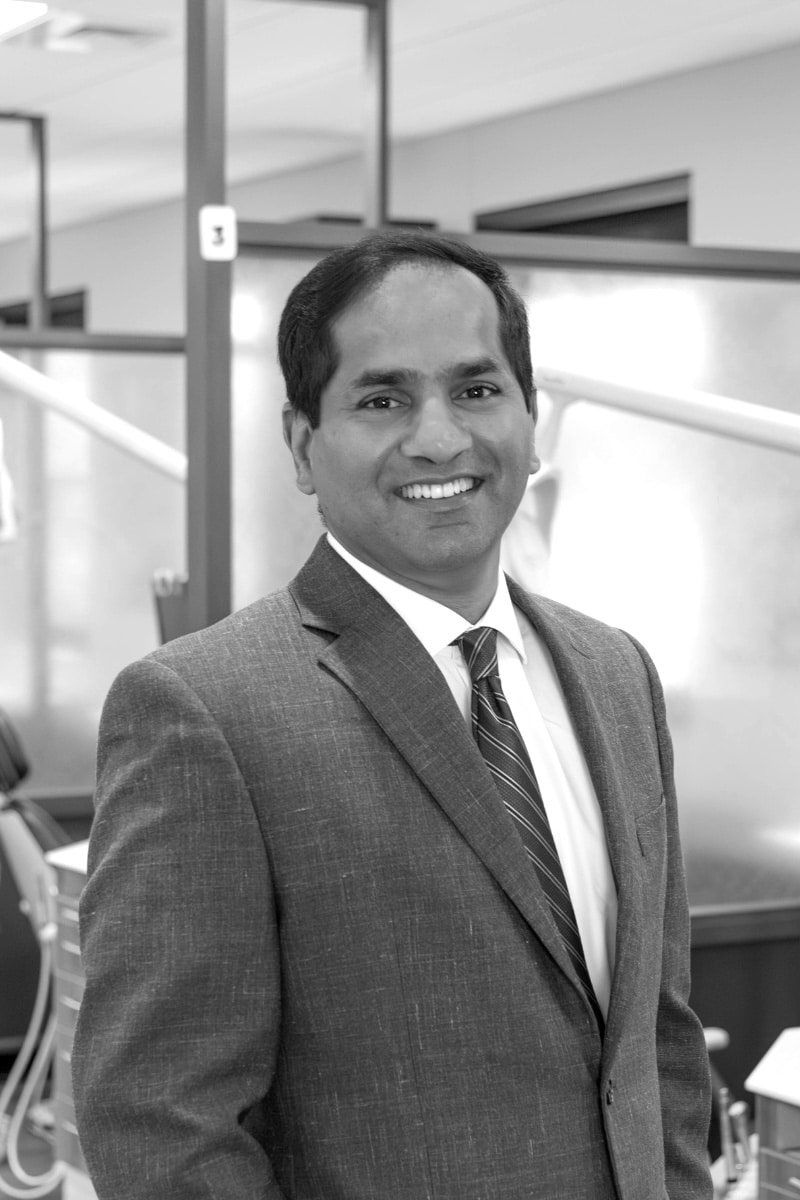
At Smiles Orthodontics, we know choosing an orthodontist is an important decision. Our smile team provides traditional braces, clear aligners, early orthodontics, and more. We know how important caring for your smile is. You and your family deserve the best orthodontic care, and we treat you the way we would treat our own family.




Hear From Our Patients
“Thankful that our dentist referred our family to Dr. G at SMILES Orthodontics!! The experience has been great. Dr. G and his staff were always very kind and encouraging throughout the process. They were very knowledgeable, and the process was quick with an amazing outcome. We appreciate the newfound confidence and beautiful smile.”
– Emma G.
– Mary M.
– Pamela S.
The Smiles Ortho Difference
At Smiles Orthodontics, we work hard to give you a comfortable, worry-free environment. We strive to do everything we can to ensure that you and your family receive the best care. We look forward to working with you! Please contact our office and schedule a complimentary orthodontic evaluation.



The Smiles Ortho Difference
At Smiles Orthodontics, we work hard to give you a comfortable, worry-free environment. We strive to do everything we can to ensure that you and your family receive the best care. We look forward to working with you! Please contact our office and schedule a complimentary orthodontic evaluation.

Orthodontic Care For All Ages
At Smiles Orthodontics, we believe everyone should have the beautiful, healthy smile they want. Orthodontic treatment at an early age can help prevent many issues in the future. As a teen, it helps build confidence in an increasingly online world, and as an adult, it can help as your mouth shifts. Everyone deserves a smile they can be proud of at any age.
Everyone Deserves A Healthy Smile
We want you to walk out of our office with a beautiful, healthy smile you love! Orthodontic treatment should be as affordable as it is essential. We offer flexible no-interest payment plans to make orthodontic treatment an option for anyone would needs it. Smile Orthodontics offers many options to find the right fit for you and your family. Our treatment coordinator will work with you to create a payment plan that fits your budget, so you know what to expect from the very beginning!
Contact Us


